
Glossary L
English: Spring roll / Deutsch: Frühlingsrolle / Español: Lumpia / Português: Rolinho Primavera / Français: Rouleau de printemps / Italiano: Involtino primavera /
Lumpia is a beloved dish in Filipino cuisine, and it holds a special place on dining tables around the world. Often referred to as Filipino spring rolls, Lumpia consists of thin wrappers filled with a variety of ingredients, resulting in both savory and sweet delights. In this article, we will delve into what Lumpia is in the food context, provide examples of its different variations, discuss potential risks, and highlight its application areas. Additionally, we will explore the history and legal aspects of Lumpia and list some similar dishes from other cuisines.
Deutsch: Gemüse-Frühlingsrollen / Español: Rollitos primavera de verduras / Português: Rolinhos primavera de legumes / Français: Rouleaux de printemps aux légumes / Italiano: Involtini primavera di verdure
Lumpiang Gulay in the food context refers to a Filipino dish consisting of vegetable spring rolls. These rolls are made by wrapping a mixture of stir-fried vegetables in a thin pastry wrapper and then frying them until crispy. The vegetable filling typically includes ingredients such as cabbage, carrots, green beans, and bean sprouts, seasoned with garlic, onions, and soy sauce. Lumpiang Gulay is a popular snack or Appetizer in the Philippines and can also serve as a side dish for meals.
Deutsch: Nackte Frühlingsrollen / Español: Rollitos de primavera desnudos / Português: Rolinhos primavera nus / Français: Rouleaux de printemps nus / Italiano: Involtini primavera nudi
Lumpiang Hubad in the food context refers to a Filipino dish that translates to "naked spring rolls." This version of lumpia presents the traditional filling of a spring roll without the wrapping and frying, serving the mixture of vegetables and sometimes meat or seafood directly on a plate or as a salad. The dish usually consists of a variety of stir-fried vegetables such as cabbage, carrots, green beans, and bean sprouts, and it may include ingredients like tofu, shrimp, or ground pork. Lumpiang Hubad is often garnished with crushed peanuts and served with a sweet and savory garlic sauce, making it a lighter, healthier alternative to the traditional fried lumpia.
Deutsch: Lumpiang Shanghai / Español: Lumpiang Shanghai / Português: Lumpiang Shanghai / Français: Lumpiang Shanghai / Italiano: Lumpiang Shanghai
Lumpiang Shanghai in the food context refers to a popular Filipino dish consisting of thin, spring roll wrappers filled with a mixture of ground meat (usually pork, but sometimes beef or chicken), minced vegetables (like carrots and onions), and seasonings. These rolls are tightly wrapped into small logs, then deep-fried until golden brown and crispy. Lumpiang Shanghai is known for its savory flavor, often enhanced with ingredients such as soy sauce, garlic, and black pepper, and served with a sweet and sour dipping sauce or vinegar-based sauce.
Deutsch: Frühlingsrollen mit Sojasprossen / Español: Rollitos primavera de brotes de soja / Português: Rolinhos primavera de broto de feijão / Français: Rouleaux de printemps aux germes de soja / Italiano: Involtini primavera con germogli di soia
Lumpiang Toge in the food context refers to a Filipino dish consisting of spring rolls filled with mung bean sprouts (toge) and other vegetables, and sometimes meat, wrapped in a thin pastry skin and deep-fried until crispy. The filling often includes a mix of carrots, cabbage, and sometimes tofu or ground meat, seasoned with garlic, onions, and soy sauce or fish sauce for added flavor. Lumpiang Toge is a popular street food and snack in the Philippines, known for its crunchy texture and savory taste, often served with a vinegar-based dipping sauce or a sweet and spicy sauce.
Lumpia ng Ubod is one of the foods from Philippines. They are fresh spring rolls which are made from finely cut (julienned) "Ubod", the heart of the Coconut cooked with Onions, Garlic, Carrots, Shrimps or Ground pork, Lettuce then wrapped in fresh Lumpia egg wrappers/rolls lined with Lettuce leaves. Some people are adding finely ground fried peanuts before wrapping for added taste. (Please see article on Ubod)
Fresh Spring rolls or fresh Lumpia mean that they are not deep-fried like the Lumpiang Shanghai and Lumpiang Gulay. Lumpiang Gulay is served either fried or fresh
Lumpiang Ubod are served with a special Sauce made from cooking a mixture of vinegar, soy sauce, a bit of sugar and salt thickened with Cornstarch.
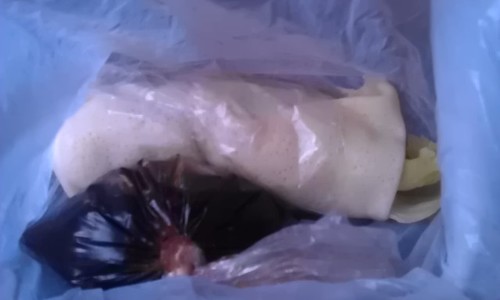
Below is a not so clear picture of Lumpiang Ubod. I chanced upon a street vendor of Lumpiang Ubod during my brisk walk around Sampalok Lake in San Pablo City, Laguna while I was on vacation in my hometown. The freshly made egg rolls are soft, the Lettuce was fresh and crispy and it was made so special by its delicious Sauce. They were individually wrapped in plastic so it can be readily eaten while strolling around the lake.
Deutsch: Mittagessen / Español: Almuerzo / Português: Almoço / Français: Almuerzo
Lunch, an abbreviation of luncheon, is a midday meal of varying size depending on the culture. The origin of the words lunch and luncheon relate to a small meal originally eaten at any time of the day or night, but during the 20th century gradually focused toward a small or mid-sized meal eaten at midday.